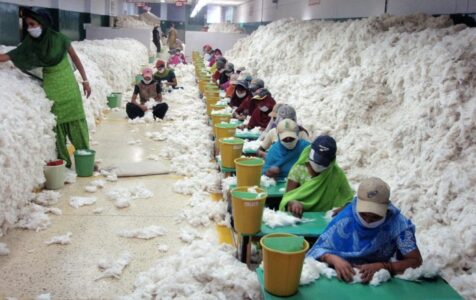
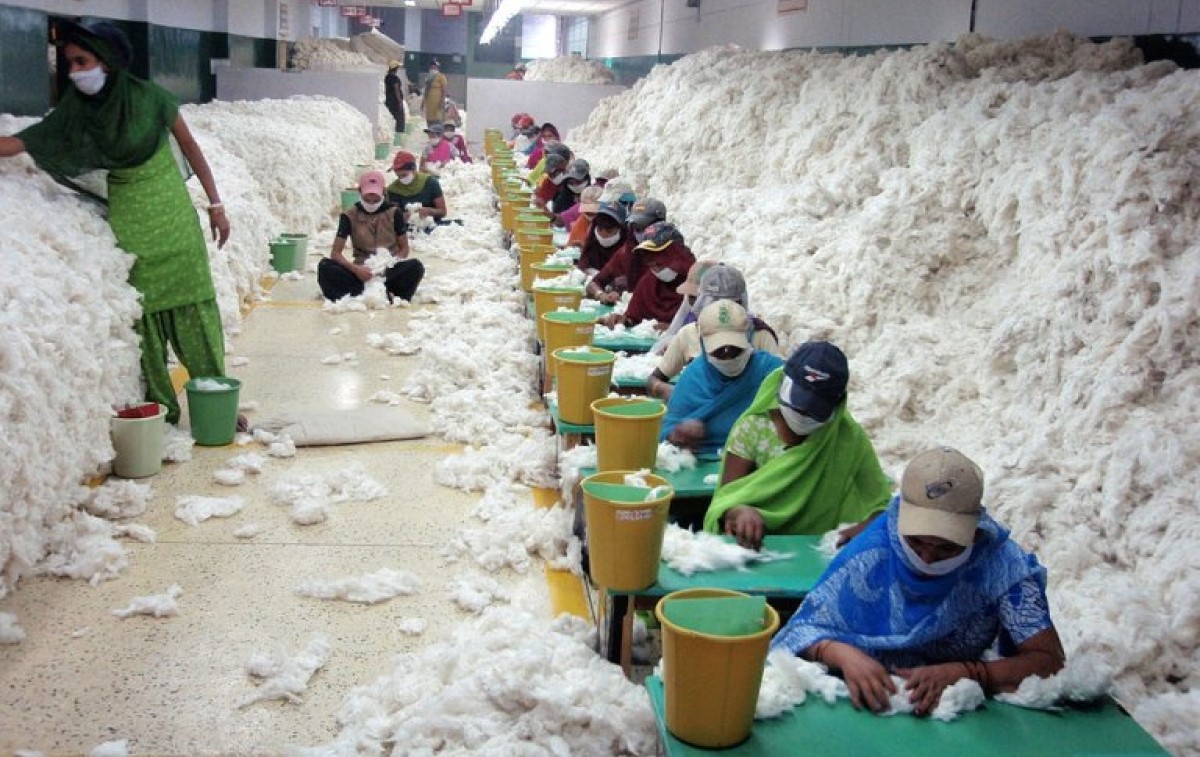

The global apparel industry has undergone a remarkable transformation, evolving from labor-intensive production methods to highly connected, technology-driven smart factories. Traditional garment manufacturing relied heavily on manual cutting, sewing, quality inspection, and fragmented production lines. While this model supported mass production for decades, rising labor costs, shorter fashion cycles, and increasing consumer demand for customization have accelerated the industry's shift toward digital manufacturing. Today, smart factories are redefining apparel production by integrating Artificial Intelligence (AI), the Internet of Things (IoT), robotics, cloud computing, and real-time data analytics. These technologies improve production efficiency, reduce material waste, enhance quality control, and enable predictive maintenance for machinery. Automated cutting systems, digital pattern making, and intelligent production monitoring help manufacturers achieve faster turnaround times while maintaining consistent product quality. Sustainability has also become a major driver of this evolution. Smart factories optimize energy consumption, minimize fabric waste, and improve supply chain transparency, helping brands meet environmental goals and regulatory requirements. The adoption of Industry 4.0 technologies allows manufacturers to respond quickly to changing market trends and customer demands while improving profitability. As the apparel industry continues embracing digital transformation, companies that invest in automation and intelligent manufacturing will gain a competitive advantage. Apparel Views remains committed to covering the latest innovations, market trends, and technological advancements shaping the future of apparel manufacturing, helping industry professionals stay informed in an increasingly smart and sustainable world.