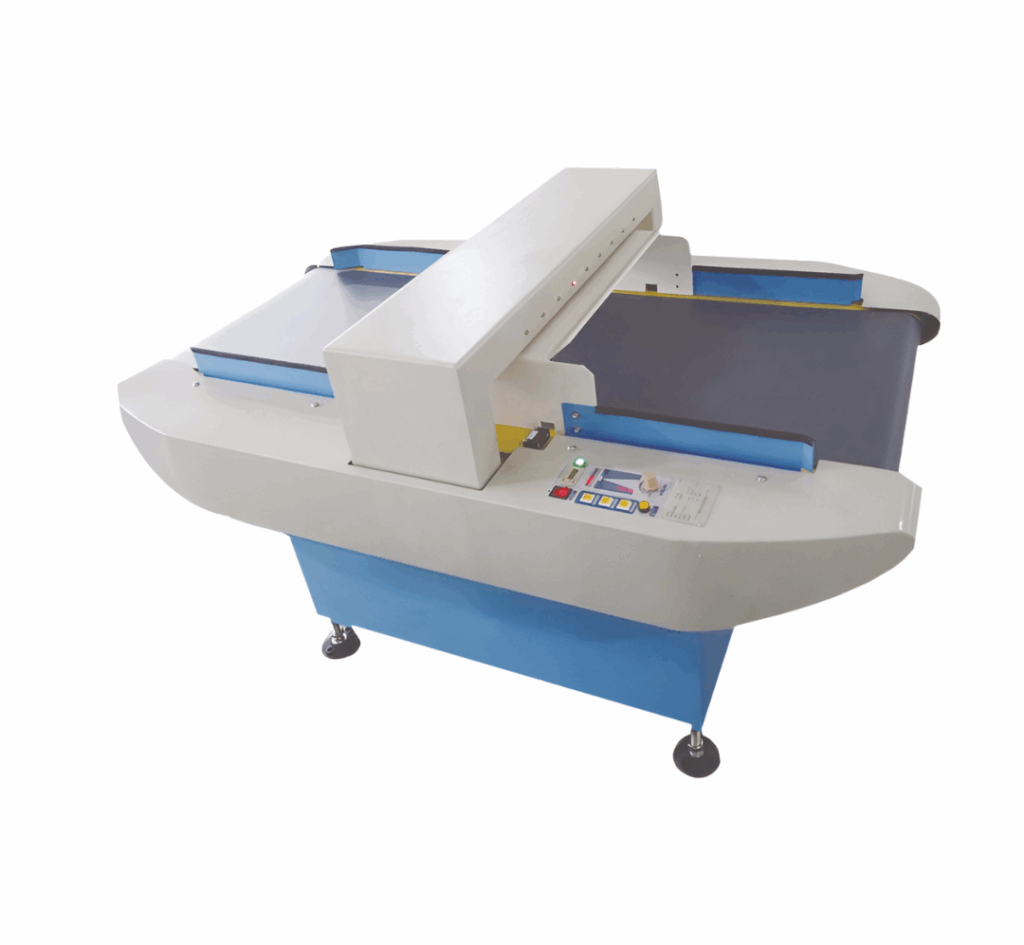

A Needle Detector Machine is an essential quality-control system for garment, textile, footwear, and manufacturing industries. Proper installation ensures accurate detection of broken needles, metal fragments, and other contaminants, helping businesses maintain product safety and meet international quality standards. Lunex Machine provides advanced Needle Detector Machines designed for high sensitivity, reliable performance, and easy operation. Choose the Right Installation Location Install the machine on a stable, vibration-free surface with adequate ventilation. Keep it away from heavy electrical equipment, large metal objects, and strong magnetic fields, as these can interfere with detection accuracy. Ensure there is enough space around the conveyor for smooth product handling. Electrical Connection and Machine Setup Connect the Needle Detector Machine to the recommended power supply specified by the manufacturer. Verify that all cables are securely connected before switching on the system. Once powered, allow the machine to complete its self-check and calibration process. Modern Lunex Machine models feature adjustable sensitivity, digital controls, and automatic alarm systems for efficient operation. Sensitivity Calibration Adjust the detection sensitivity based on the product type, fabric thickness, and production requirements. Use certified test pieces containing standard metal fragments to confirm accurate detection before beginning production. Regular calibration helps maintain consistent inspection performance. Testing and Operator Training Run several sample products through the conveyor to verify smooth operation and reliable metal detection. Train operators on machine controls, alarm responses, routine cleaning, and preventive maintenance to maximize productivity and minimize downtime. Why Choose Lunex Machine? Lunex Machine offers high-performance Needle Detector Machines with advanced magnetic detection technology, durable construction, user-friendly controls, and dependable after-sales support. Proper installation and routine maintenance ensure long-term reliability, improved quality control, and enhanced customer confidence in every inspected product.